 Gift Certificates
 New Arrivals
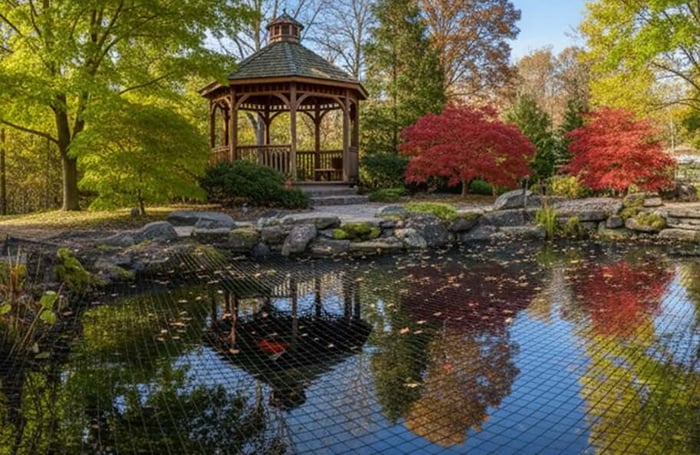
A healthy pond is not just about good equipment and clear water. It is also about having the right tools and habits so pond care stays simple. When maintenance is easy, it gets done more often, and your pond stays more stable over time.
Most pond problems start small. A little debris builds up. A filter gets a bit clogged. Water flow slows down. Then a week passes, and the pond starts to look cloudy or smelly. The goal of this guide is to help you stay ahead of those issues with four practical essentials that work in warm, mild, and cold climates.
In this post, we will cover:
- Nets and skimmers (debris control)
- Cleaning tools (easy maintenance)
- Pond lighting (safety and enjoyment)
- Seasonal protection and backup plans (stability and peace of mind)
Essential #9: Nets and Skimmers for Debris Control


Debris is one of the most common reasons ponds get messy. Leaves, grass clippings, pollen, seed pods, and small plant pieces all end up in the water sooner or later. If that material sinks and breaks down, it turns into sludge.
When debris builds up, you may notice:
- Cloudy or tinted water
- A stronger pond smell
- More algae growth
- Fish spending more time near the surface
- Filter pads getting dirty faster
The easiest fix is to remove debris before it sinks. This is where handled nets and skimmers shine. A few minutes of surface cleanup prevents hours of work later.
What to have on hand:
- A hand net for quick scooping
- A long-handled skimmer net for reaching across the pond
- A pond cover net (optional but helpful seasonally)
Simple tip: the 3-minute skim
If you only do one maintenance habit each week, skim the surface for three minutes. You can remove a surprising amount of material with very little effort.
Essential #10: Cleaning Tools That Keep Maintenance Easy


Pond maintenance does not need to be a big project. Small, steady maintenance is usually better for fish than an occasional deep clean.
A few tools make a big difference:
- A pond vacuum or sludge remover for bottom waste
- A brush for waterfalls, streams, and liner edges
- A bucket or tub for rinsing filter pads in pond water
- Spare fittings and hose clamps for quick fixes
Why light maintenance beats deep cleaning
Deep cleaning can remove too much beneficial bacteria and stir up settled debris. Light maintenance keeps the pond stable and balanced.
A simple routine:
- Skim debris weekly
- Rinse mechanical filter media when flow slows
- Remove sludge when buildup is visible
- Brush waterfalls or streams as needed
Quick tip: let flow be your reminder
If water flow weakens or bypasses filter pads, it is usually time to rinse mechanical media.
Essential #11: Pond Lighting for Safety and Nighttime Views


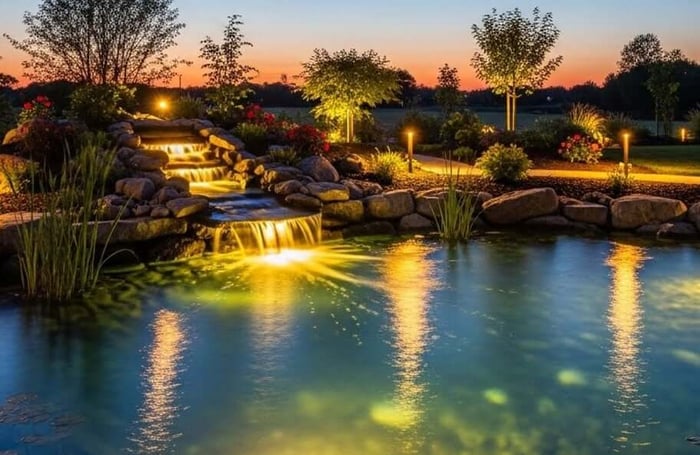
Pond lighting improves safety and lets you enjoy your pond after dark. A well-lit pond can become a focal point in the evening.
Lighting helps with:
- Safer walking near pond edges and waterfalls
- Better visibility of fish and plants at night
- Highlighting waterfalls and moving water
- Creating a finished landscape look
Lighting types:
- Path lights
- Spotlights
- Underwater lights
Simple tip: Light the movement, not the whole pond. Aim lighting at waterfalls or return points for the best effect.
Essential #12: Seasonal Protection and Backup Plans


Every pond experiences stress from weather changes or unexpected situations. A simple backup plan helps prevent panic.
Common weather challenges:
- Heavy rain and debris
- Hot days that reduce oxygen
- Cold nights that slow activity
- Wind-blown leaves
Simple protection ideas:
- Use surge protection for equipment
- Keep spare fittings and tubing on hand
- Know and test GFCI outlets
- Store nets and tools where they are easy to reach
Travel tip: a 3-point pond check
- Check water level
- Confirm pump and water flow
- Observe fish behavior
Wrap-Up: The Practical Essentials That Make Pond Keeping Easier
These four essentials are simple but powerful. They keep debris under control, make maintenance easier, improve safety, and help prevent surprises. Start with the area that causes the most frustration, and build from there. Small improvements add up to a pond that is easier to enjoy year-round.