 Gift Certificates
 New Arrivals
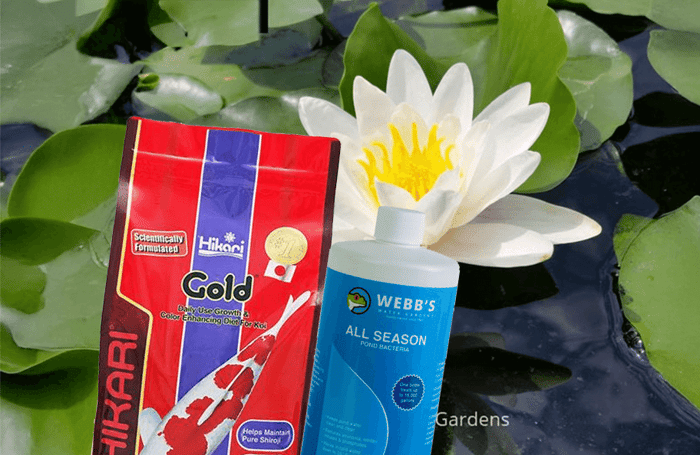
A pond isn’t just water and equipment — it’s a living ecosystem. Inside that ecosystem, your fish, the food they eat, the plants growing in and around the water, and the natural shelter inside the pond all work together. When these living elements stay balanced, your pond becomes more stable, cleaner, and easier to care for.
But when one part becomes unbalanced — too much food, not enough bacteria, no plants, or not enough shade — problems can show up fast. Water quality can drop. Fish can become stressed. Algae can grow quickly.
The good news? You don’t need complicated tools or expensive equipment to keep your pond healthy. You just need to understand a few simple living essentials.
In this guide, we’ll break down four important components that help your pond thrive:
- Quality fish food
- Beneficial bacteria
- Healthy pond plants
- Shade and shelter for fish
These basics work for ponds in all climates — warm, mild, and cold — because they support natural balance, not seasonal gimmicks.
Essential #5: Quality Fish Food — The Foundation of Fish Health


Feeding your fish seems easy, but it plays a major role in your pond’s long-term health. What you feed — and how much — can help fish stay strong or create water quality problems that ripple through the whole system.
What makes fish food “good”?
High-quality koi and goldfish food should:
- Be easy for fish to digest
- Provide balanced protein, vitamins, and minerals
- Come in pellet sizes that match your fish
- Be designed for pond fish, not generic aquarium fish
The better the food, the less waste your fish produce. Less waste means your filter and bacteria don’t have to work as hard.
Why feeding habits matter more than most people think
Overfeeding is the number one cause of:
- Cloudy water
- String algae
- High ammonia
- Strong odors
A simple rule: Only feed what your fish will finish in 5 minutes.
Anything left behind becomes waste, then ammonia, then nitrite, then nitrate — all of which stress your pond and filters.
Feeding Fish in different climates
Because this blog is evergreen, here’s how feeding shifts year-round:
- Warm climates: Fish stay active longer and may need more frequent feeding, but still avoid overfeeding. High protein foods are preferred.
- Mild climates: Feeding amounts rise and fall with temperature changes. Switch to cool weather wheatgerm foods, if necessary.
- Cold climates: Fish slow down as water cools. In very cold water, they stop eating altogether — and that’s normal.
Instead of feeding by the calendar, always feed based on water temperature and fish behavior.
Essential #6: Beneficial Bacteria — Your Pond’s Natural Filter


You can’t see them, but beneficial bacteria are some of the hardest-working helpers in your pond. They’re responsible for breaking down fish waste and keeping harmful substances from building up.
What beneficial bacteria do
They support the pond’s natural “nitrogen cycle”:
- Fish produce waste
- Waste becomes ammonia (toxic)
- Bacteria convert ammonia into nitrite (also toxic)
- Another bacteria group converts nitrite into nitrate (much less harmful)
- Plants and water changes remove nitrate over time
When these bacteria are strong, your pond stays more stable — even when feeding increases, weather changes, or fish become more active.
Where beneficial bacteria live in your pond
Beneficial bacteria grow on:
- Filter media
- Rocks and gravel
- Pond liner
- Waterfalls
- Plant pots
Anywhere the bacteria can grab, water flows and oxygen is present, bacteria can thrive.
Why beneficial bacteria helps your ponds health
Adding beneficial bacteria can:
- Jump-start new ponds
- Support water quality after storms
- Help stabilize the pond after filter cleanings
- Reduce sludge buildup
- Improve clarity by controlling organic waste
Tips for beneficial bacterial success in any climate
- Add bacteria on a consistent schedule, not just once.
- Follow dosage based on gallons, not guesswork.
- Okay to increase dosage and/or application rate — you cannot overdose.
- Avoid washing filter media with chlorinated water.
- Keep your pond well-oxygenated — bacteria need oxygen to live.
Healthy bacteria = healthier fish, clearer water, and fewer surprises.
Essential #7: Pond Plants — Nature’s Built-In Pond Support System


Plants are more than decoration. They are one of the most natural and effective ways to keep your pond in balance.
How aquatic plants help your pond
Plants provide several key benefits:
- Nutrient control: Plants absorb excess nutrients that would otherwise feed algae.
- Shade: Keeps water cooler and reduces temperature swings.
- Shelter: Gives fish places to rest and hide from predators.
- Oxygen production: Especially during daylight hours.
- Visual appeal: Softens edges and creates a natural look.
Types of pond plants
A healthy pond typically includes a mix of:
- Marginal plants: Grow at the edges; great for nutrient uptake
- Floating plants: Quick shade and nutrient control
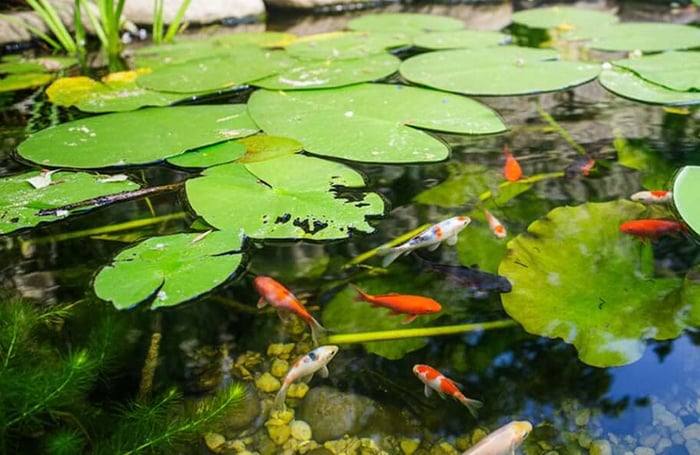
- Water lilies: Provide shade and aesthetically pleasing blooms
- Submerged plants: Offer oxygen and help stabilize water chemistry
How plants behave in different climates
- Warm climates: Plants may grow year-round and need regular trimming.
- Mild climates: Steady growth with smaller seasonal shifts.
- Cold climates: Many plants go dormant; trimming dead material prevents decay.
Simple plant care habits
To keep plants working for you:
- Trim and remove dead/dying leaves
- Avoid letting floating plants cover the entire surface
- Divide plants that become overcrowded
- Choose species that fit your local climate
When plants thrive, your pond becomes naturally clearer and more stable.
Essential #8: Shade & Shelter — Keeping Fish Calm and Comfortable


Your fish need more than clean water to stay healthy. They also need an environment that feels safe.
Shade and shelter reduce stress — and when fish feel less stressed, they’re less likely to get sick or behave unusually.
Why shade is important for the fish in your pond
Shade helps:
- Regulate pond temperature
- Reduce algae growth
- Make fish feel secure
Shade options include:
- Water lilies
- Floating plant islands
- Shade sails
Why shelter matters for fish
Fish feel safer when they can hide from:
- Birds and predators
- Pets
- Bright sunlight
Shelter options include:
- Rock caves and fish tunnels
- Stacked rock shelves
- Clusters of submerged plants
Shade & shelter for ponds across different climates
- Warm climates: Protect fish from high heat and intense sunlight.
- Mild climates: Prevent stress and help regulate temperature.
- Cold climates: Deeper shelters help fish rest in slightly warmer water layers.
Fish that feel safe are more active, more visible, and generally healthier.
Summary/Conclusion
These four living pond essentials — quality fish food, beneficial bacteria, healthy plants, and good shade/shelter — work together to create a pond that stays balanced all year long.
When these elements are cared for properly:
- Water stays more stable
- Fish stay healthier and more active
- Algae problems become easier to control
- The filtration system works more efficiently
- Seasonal swings are easier to manage
Understanding these core essentials gives you the foundation for a healthy, beautiful pond in any climate. If you’d like personalized help choosing fish food, bacteria, or plants, the team at Webb’s Water Gardens can guide you based on your pond size, climate, and fish type.