 Gift Certificates
 New Arrivals
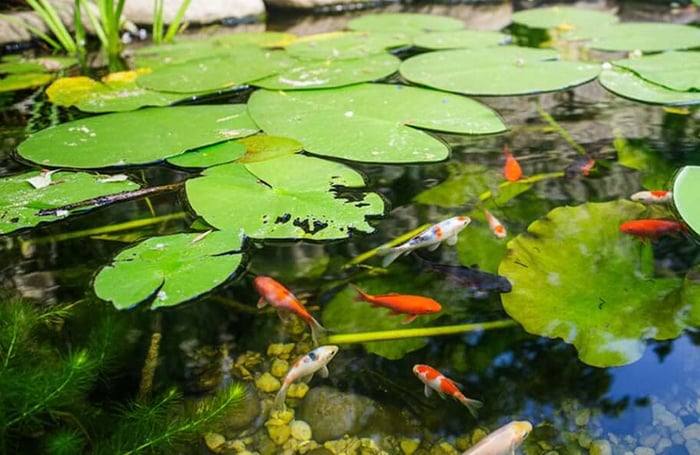
Every healthy and balanced pond starts with healthy water.
It doesn’t matter where you live. You might have hot summers, cold winters, or mild weather most of the year. In every climate, your fish, plants, and good bacteria all depend on water that is moving, well‑filtered, and safe.
In this guide, we’ll walk through four basic pond essentials:
- A reliable pump
- The right filtration
- Good aeration
- A simple water test kit
These are not fancy upgrades. They are the everyday tools that keep your pond clear and stable in any season.
#1: A Reliable Pond Pump – The “Heart” of Your Pond


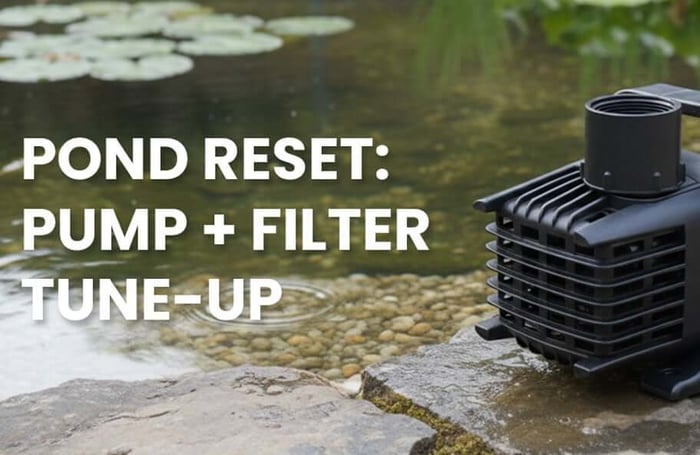
Your pump is the heart of your pond system. Just like your heart moves blood through your body, the pump moves water through your pond.
When water moves, it:
- Carries waste to the filter
- Picks up oxygen from the surface
- Helps keep temperature more even from top to bottom
- Prevents still, smelly “dead spots”
A good rule of thumb:
Your pump should move about the full volume of your pond every 1–2 hours. So, if you have a 2,000‑gallon pond, look for a pump that can move about 2,000 gallons per hour after you account for the height of your waterfall, tubing length, and other variables.
This matters in every climate:
- In hot areas, moving water helps fight low oxygen levels.
- In cold areas, moving water helps keep a small area from freezing solid and lets toxic gases escape.
- In mild climates, flow keeps the pond from going stale and supports good bacteria population and growth.
Here are simple pump tips that work anywhere:
- Size it correctly. Check the pump box or product page. Make sure the pump is rated for your pond size and the height it needs to push water to a filter, waterfall, or stream.
- Keep the intake clear. Leaves, string algae, and gravel around the pump can block flow. A blocked pump runs hot, works harder, and may fail prematurely.
- Use a pre‑filter or skimmer when possible. Many pumps sit in a skimmer box or come with a pre‑filter. This catches large debris before it hits the pump.
- Let it run. Most pond pumps are made to run 24/7. Turning them on and off a lot can shorten their life and upset the pond’s balance.
If the pump stops, water stops moving. That’s when problems can build up fast. Keeping a good pump running is the first big step to a healthy pond.
#2: Filtration That Fits Your Pond


If the pump is the heart, your filter is the clean‑up crew.
Filtration has two main jobs:
- Mechanical filtration – catching solid waste such as leaves, uneaten food, fish waste, dirt, etc.
- Biological filtration – providing a home for beneficial bacteria that break down that waste naturally into safer forms.
There are many filter styles, to name a few:
- Submersible filters
- Waterfall filters
- Pressurized filters
- Professional Grade Bead filters
Which one you choose depends mainly on your pond design and fish load, but in every climate, a good filter should:
- Be rated for at least your pond’s volume (more if you have many fish)
- Match your pump size so water flows properly through it
- Be easy enough to reach and service so you’ll actually maintain it
In warmer areas, fish may be active most of the year and algae may grow faster. The filter has to handle more waste. In colder areas, fish slow down but leaves and debris can still build up. In mild areas, the filter works year‑round to smooth out small changes.
Filter care is about balance. You want to remove heavy debris but protect the good bacteria living on the media.
A few simple steps:
- Rinse mechanical pads as needed. When pads get clogged, water can’t pass through and may start to go around or over the filter instead. Rinse pads in a bucket of pond water when you can, not with tap water. This will help keep good bacteria alive.
- Go gentle on bio media. Bio balls, lava rock, and similar media hold helpful bacteria. If they look dirty, a light swish in pond water is enough. Avoid scrubbing them until they look brand new.
- Watch the water path. If water is leaking around seals, lids, or hose fittings, fix those spots so your filter handles all the flow it should.
- Match filter to fish load. More and larger fish = more waste. If you’ve slowly added fish over time, it might be time to upgrade your filter.
When your filter is sized right and cared for regularly, your water stays clearer, and your fish live in a safer, more stable environment. You can cut corners everywhere else, but try to always spend the money on a good properly sized filter.
#3: Aeration – Helping Your Pond “Breathe”


Aeration means adding oxygen to your pond water. Fish, plants, and bacteria all need oxygen to live. Even if your water looks clear, low oxygen can still be a problem.
Water gets oxygen from:
- The surface, where air and water meet
- Moving water, like waterfalls and streams
- Bubbles from air pumps and diffusers
Why aeration matters in different climates:
- In hot climates, warm water holds less oxygen, while fish and bacteria need more. This can cause sudden oxygen drops, especially at night.
- In cold climates, ice and snow can cover the surface and block gas exchange. Aeration helps keep a small area open for gases to escape and fresh oxygen to enter.
- In mild climates, aeration helps avoid still areas, supports fish during warm spells, and boosts beneficial bacteria.
Easy aeration tips for any pond:
- Use an air pump with diffusers or air stones. Place them where they can move water but still leave some calm spots where fish can rest.
- Watch your fish. If fish stay near the surface and gulp for air, oxygen may be low. Aeration can help.
- Adjust for deep winter in cold areas. In very cold climates, move diffusers to mid‑depth or near the surface in the winter. This keeps some circulation going without mixing the warmest bottom water with very cold surface water too much.
- Combine methods. A waterfall plus an air pump often gives a nice boost with only a little extra work.
Adding aeration is one of the simplest upgrades you can make, and it supports every other part of your pond.
#4: A Water Test Kit You’ll Actually Use


A pond can look clear and still have unsafe water. That’s why a simple water test kit is an essential tool for every pond owner.
Most basic kits test:
- Ammonia – waste from fish and leftover food; very harmful at high levels
- Nitrite – another toxic step in the waste cycle
- Nitrate – less harmful than ammonia and nitrite, but can stress fish and feed algae when high
- pH – how acidic or basic the water is
Some kits also include KH (carbonate hardness). KH keeps the nitrification cycle going and helps keep your pH stable. Stable pH is easier on fish and bacteria, in all climates.
Good times to test your water:
- After adding new fish
- After big changes, like heavy feeding or major cleanings
- After strong storms or large water changes
- When you start or restart equipment
- Anytime fish act differently or the pond smells odd
Keep your test kit somewhere dry and easy to reach. When you test, write down your results in a notebook or on your phone. Over time you’ll notice patterns:
- Maybe nitrates rise faster in the hot months
- Maybe pH tends to swing after big rainstorms
- Maybe ammonia appears when you overfeed or clean the filter too hard
With test results, you can act calmly and correctly:
- High ammonia or nitrite? Cut back feeding, check your filter, and do partial water changes.
- High nitrate? Add or trim plants, check feeding, and refresh some water.
- pH swings? Look at KH, your source water, and how much aeration you have.
A test kit turns “I think something is wrong” into “I know what’s happening and what to do next.”
You don’t need a huge budget or a giant equipment room to have a healthy pond. You just need to get the basics right:
- A pump that keeps water moving
- Filtration that fits your pond and fish
- Aeration that supports oxygen levels in any weather
- A water test kit that tells you what’s really going on
When these four essentials are in place and maintained, your pond can handle heat waves, cold snaps, rain, and dry spells much more easily. Your fish stay calmer, your water stays clearer, and your pond becomes something you can enjoy instead of worrying about.
From here, you can build on this strong base with good food, plants, lighting, and other upgrades. Those are the “fun extras” once the basics are covered.
If you’d like help checking whether your pump, filter, or aeration setup is right for your pond, please don’t hesitate to reach out. Our team is always happy to help you choose a setup that supports clear, healthy water all year long.