 Gift Certificates
 New Arrivals
Fall brings change to every pond, but not always in the same way. In some regions, water cools quickly, while in others, ponds stay warm well into winter. That’s why the smartest way to know what your pond needs is by measuring water temperature.
If your water stays above 70°F all year, this checklist still applies — you’ll focus more on debris control, plant care, lighting, and clarity. If your pond cools into the 40–55°F range, feeding and bacteria care also change.
No matter where you live, these steps will guide you toward a healthier pond through fall and into spring.
✔ Step 1: Measure Your Pond’s Water Temperature
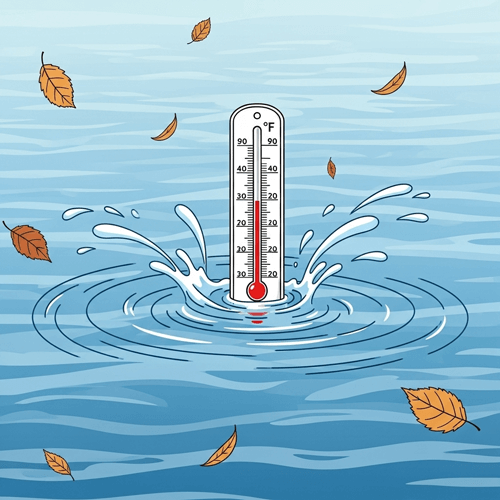
Water temperature drives nearly every decision in fall pond care — from what you feed your fish, to which bacteria to use, to how you manage aeration.
- Use a floating or digital pond thermometer.
- Check temps in both morning and evening.
- Don’t rely on air temperature — water cools more slowly and steadily.
Guidance by reading:
- Above 55°F: Continue staple care.
- 40–55°F: Transition your pond with seasonal adjustments.
- Below 40°F: Stop feeding, focus on oxygen and clarity.
See detailed checklists here:
✔ Step 2: Keep Leaves and Debris Out
Organic matter is the #1 cause of murky water, oxygen loss, and sludge buildup in fall.
- Install pond netting to block falling debris.
- Skim the surface regularly with a long-handled net.
- Use a pond vacuum to clean bottom buildup.
✔ Step 3: Trim and Prepare Pond Plants

Plants add beauty and balance — but unmanaged foliage quickly decays. Preparing them in fall keeps your water clearer and reduces workload later.
- Hardy plants (lotus, lilies, rushes): Trim stems back, submerge pots deeper if freezing is possible.
- Tropical plants (taro, umbrella palm, tropical lilies): Remove when foliage declines, or overwinter indoors.
- Floating plants (hyacinth, water lettuce, duckweed): Remove or thin at first signs of die-off.
Pro Tip: Always use sharp pond-safe scissors and gloves to keep cuts clean and safe.
✔ Step 4: Feed Fish According to Temperature
- Above 55°F: Feed staple, growth, or color foods. Offer smaller portions as days shorten.
- 40–55°F: Switch to wheat germ food for easier digestion. Feed lightly once per day.
- Below 40°F: Stop feeding completely.
✔ Step 5: Add Beneficial Bacteria
- Above 55°F: Apply standard bacteria blends to break down waste.
- 40–55°F and below: Use cold-weather bacteria blends.
- Apply consistently through fall to prevent sludge buildup.
✔ Step 6: Treat Sludge and Maintain Clarity
- Use sludge removers for bottom-layer breakdown.
- Apply clarifiers to treat tannins and cloudiness.
- Reapply as directed through the season.
✔ Step 7: Adjust Aeration for Balance
- Keep aeration running for circulation and oxygen.
- In cooler water, move diffusers to shallower zones to avoid disturbing resting fish.
- In icy conditions, aeration keeps a hole open and releases gases.
✔ Step 8: Extend Enjoyment with Pond Lighting
- Install underwater or floating lights to highlight waterfalls and fish.
- Lighting deters predators and improves visibility.
- Choose LED fixtures for efficiency and durability.
Tech Tip
Air temperature drops quickly, but water holds heat longer. Always check water temperature directly before making changes.
Fish Fact
Koi and goldfish respond to both day length and water temperature. Their behavior often slows before the water cools significantly.
Master Fall Pond Maintenance Checklist
- [ ] Measure water temperature daily.
- [ ] Block and remove debris with nets, skimmers, or vacuums.
- [ ] Trim hardy plants, compost tropicals, thin floaters.
- [ ] Feed fish by temperature: Staple above 55°F, Wheat Germ 40–55°F, Stop below 40°F.
- [ ] Add beneficial bacteria blends suited to your temp.
- [ ] Apply sludge removers and clarifiers for clarity.
- [ ] Adjust aeration placement as water cools.
- [ ] Add pond lighting for safety and enjoyment.
Final Thoughts
Every pond enters fall differently — but all benefit from the same routine: measure, clean, prune, feed correctly, add bacteria, and maintain oxygen. By letting water temperature guide your decisions, you’ll know exactly when to adjust your care.
If your pond is above 55°F, see the Fall Pond Care Checklist.
If your pond is 40–55°F, follow the Fall Pond Maintenance Checklist.
With these steps, you’ll enjoy a clearer, healthier pond this fall — and a much easier spring opening.