 Gift Certificates
 New Arrivals
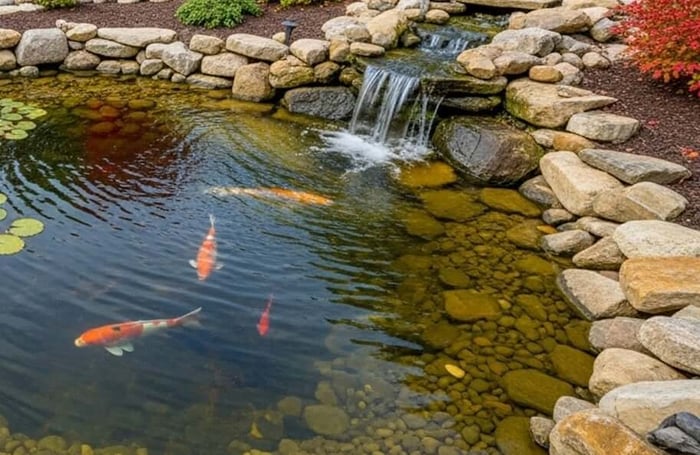
Fall might not always bring frost, but it always brings change. Shorter days, falling leaves, and seasonal debris affect ponds in every climate. Even if water temperatures stay warm, ignoring these shifts can lead to murky water, stressed fish, and more maintenance later.
Fortunately, with the right fall care routine, you can enjoy a clear, balanced pond all season. This checklist highlights seven steps designed for warmer areas, focusing on debris control, beneficial bacteria, lighting, and steady oxygenation.
1. Control Leaves with Pond Netting
Leaves left to decay release tannins, increase sludge, and reduce oxygen. A pond net is your best defense. Stretch it tightly across the pond, secure it with stakes, and skim debris daily with a net.
For larger ponds, framed or tent-style protectors are a great option to keep netting elevated. Staying consistent with leaf management is one of the simplest ways to maintain clarity.
2. Continue Staple Feeding (Prepare to Transition Later)
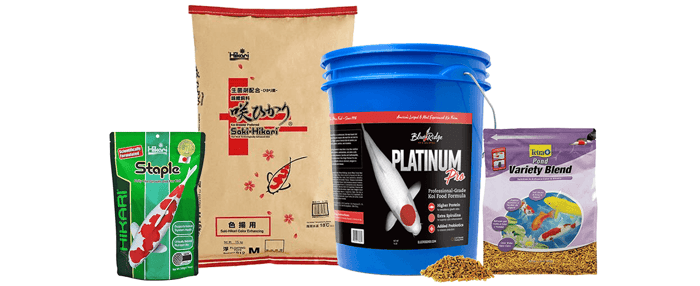
In warm climates, ponds often remain above 55°F well into fall. That means you can continue feeding staple or growth diets safely.
Feed smaller portions as days shorten, since your fish will naturally slow their activity. Keep a thermometer handy — once water temps approach 55°F, prepare to switch to wheat germ food. In many areas, this may not be necessary until late fall or even winter.
3. Trim and Prune Pond Plants
Plant care is just as important in warm states. Manage and trim hardy plants. If frost is ever a concern, remove floaters as they won’t last through the season. If you keep tropical lilies or other sensitive plants, overwinter them indoors if necessary.
Staying ahead of plant maintenance ensures cleaner water and reduces workload later.
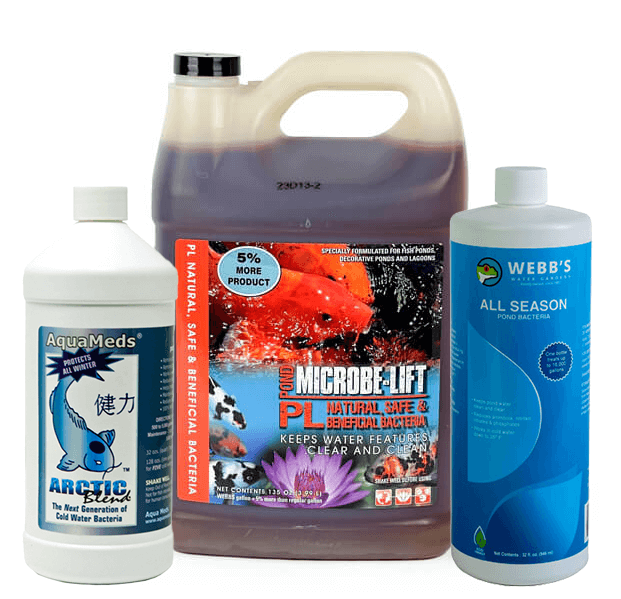
4. Add Beneficial Bacteria
Even without cold temps, ponds face a buildup of organics in fall. Adding standard beneficial bacteria helps break down waste, control odor, and maintain water clarity.
These blends thrive in water temps over 55°F, making them ideal for warm-climate ponds. In many regions, beneficial bacteria can be used year-round for ongoing support.
5. Maintain Water Clarity with Sludge Treatments
Sludge treatments and clarifiers work alongside bacteria to keep your pond in balance. They target tannins, cloudiness, and organic waste before it accumulates.
Using them regularly ensures your pond looks its best and your fish remain in a healthier environment.
6. Enhance Pond Lighting as Days Get Shorter
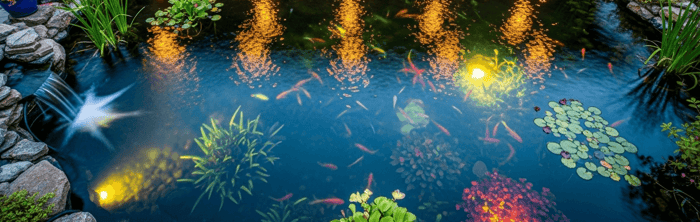
One change all pond owners face is shorter days. Adding pond lighting allows you to enjoy your pond later into the evening and improves the overall safety around the pond.
Lighting also has practical benefits — it helps deter predators and highlights waterfalls, plants, or fish for a striking nighttime display.
7. Keep Aeration Steady for Balance
Circulation supports fish health and beneficial bacteria activity. In warmer climates, steady aeration prevents stagnant zones and ensures oxygen levels remain balanced through seasonal changes.
Check your system this fall to ensure diffusers are clean and running smoothly. Reliable aeration keeps your pond resilient even when surface conditions fluctuate.
Tech Tip
Pond lighting isn’t just aesthetic — it makes evening feeding easier, helps you monitor fish activity after dark, and discourages predators.
Fish Fact
In warm climates, koi and goldfish may never fully hibernate. Instead, they remain partially active year-round.
Get Your Pond Ready for Fall
With these fall pond care steps, you’ll enjoy clear water, healthy fish, and a beautiful pond all season long — no matter how warm your climate stays.
Need Help in Cooler Climates?
If your pond water is already dipping below 55°F, check out our Fall Pond Maintenance Checklist for detailed steps on feeding changes, cold weather bacteria, and aeration adjustments.