 Gift Certificates
 New Arrivals
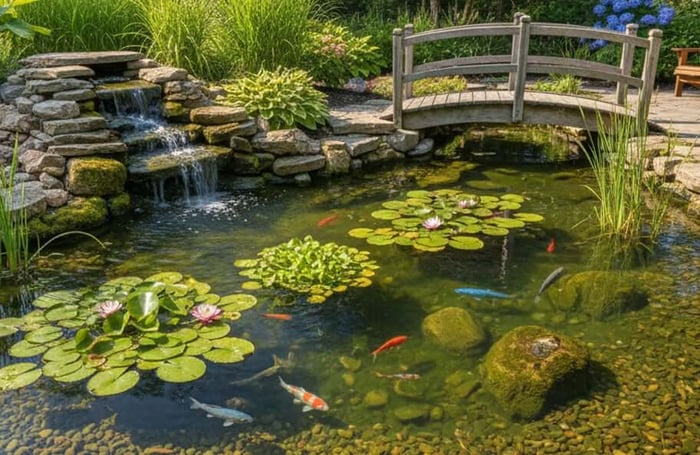
Even a pond that looks perfectly clear can be quietly struggling below the surface. Circulation is what keeps the entire pond ecosystem alive and balanced all year long. It’s the unseen movement that distributes oxygen, carries nutrients, and prevents stagnant water problems—from algae blooms in summer to ice build-up in winter. Whether your pond is in Florida, New York, or anywhere in between, good circulation supports healthier fish, cleaner water, and fewer headaches.
Why Circulation Matters in Every Pond
When water stands still, oxygen levels drop and waste begins to collect in corners or on the pond bottom. Circulation keeps the water moving so filters can catch debris, gases can escape, and oxygen reaches every part of the pond.
Key benefits include:
- Keeps oxygen evenly distributed to support fish and beneficial bacteria.
- Moves debris toward skimmers and filters instead of letting it settle.
- Prevents algae from taking hold in stagnant areas.
- Reduces odor by promoting healthy gas exchange.
- Minimizes ice formation and gas buildup during winter months.
Circulation vs. Aeration: What’s the Difference?

Circulation and aeration work hand in hand, but they aren’t the same thing. Circulation moves water horizontally and vertically to eliminate dead spots, while aeration introduces oxygen into the water column through air bubbles that rise from the bottom reaching the surface.
Together, they create a balanced system that’s both clean and breathable. Ponds that use both circulation pumps and bottom diffused aeration systems are more stable through seasonal temperature changes and rainfall.
Helpful Circulation Tips for Any Pond
These practical tips keep your pond water healthy in every climate:
- Keep pumps running whenever possible. Steady movement prevents stagnation and helps with oxygen exchange. In colder areas, adjust pump placement or discontinue pump usage, and use shallow aeration to maintain gentle flow without mixing warmer bottom water.
- Avoid stagnant areas. Place small circulation pumps or jets in low-flow areas to keep debris from settling.
- Check pump intakes weekly. Leaves, string algae, or fish waste can clog filters and reduce flow.
- Angle return lines or waterfalls for circular flow. A gentle rotation moves debris to your skimmer and prevents still pockets.
- Add beneficial bacteria regularly. Even water movement helps bacteria colonize and process waste evenly.
- Use aeration for oxygen support. Especially in hot summers or deep ponds, diffused air improves overall balance.
- Observe surface movement. Ripples should be visible across the pond, but not turbulent enough to disturb fish or plants.
Year-Round Circulation Guidance
While circulation should be maintained all year, each season presents slightly different needs depending on temperature and pond design:
- Spring: Restart pumps and filters early. Circulation helps bacteria activate faster and clears waste from winter dormancy.
- Summer: Increased heat reduces oxygen levels, so consistent water movement and surface agitation are essential.
- Fall: Direct flow toward skimmers to collect falling leaves before they sink.
- Winter: Keep at least one ice-free opening using shallow aeration or a de-icer. Gentle flow maintains gas exchange and protects fish.


Circulation Issues and Easy Fixes
- Cloudy water: Increase pump turnover rate or reposition returns.
- Fish gasping or sluggish: Improve oxygen with aeration and reduce feeding.
- Strong odor or foam: Increase beneficial bacteria and remove organic buildup.
- Excessive algae growth: Check for dead zones, increase aeration and add beneficial bacteria.
- Ice completely covering pond: Add a floating de-icer or move diffuser closer to the surface.
The Healthy Water Movement Checklist
- Light surface ripples across pond—no still zones.
- Pump turns over full pond volume every 1–2 hours.
- Filter pads and skimmer baskets cleaned weekly/as needed.
- Aeration supports deep oxygen exchange and beneficial bacteria growth
- Ice openings maintained through bottom diffused aeration or a de-icer.
- Beneficial bacteria added as prescribed, can be used more frequently if needed.
- Pond plumbing and fittings inspected each season.
Conclusion
Water circulation is the quiet force that keeps your pond healthy year-round. It supports oxygen levels, boosts filtration and bacteria growth, limits algae, and even protects fish during cold spells. Whether you have a small backyard feature or a large koi pond, steady water movement is one of the simplest ways to prevent problems before they start.