 Gift Certificates
 New Arrivals
Why Equipment Checks Matter
Your pond’s ecosystem depends on constant circulation. Pumps move water, skimmers collect debris, and waterfalls aerate and beautify. When any of these systems slow down or clog, everything else—from fish health to water clarity—starts to suffer.
Across the country, climate and temperature affect how your equipment performs. Warm water accelerates algae and evaporation; mild climates create shifting debris loads; and colder regions introduce freezing risks. Performing simple checks throughout the year keeps everything flowing smoothly and prevents premature wear.
1. Check Your Pump Performance
Your pump is the lifeblood of your pond—working around the clock, keeping oxygen moving and powering your filters or waterfalls. Even minor blockages or alignment issues can reduce flow, strain the motor, and quietly increase operating and maintenance costs.
Why It Matters
Reduced flow means less oxygen for fish and bacteria, and more opportunities for algae, sludge, and mosquitoes to take over. When a pump struggles against a clog or kink, it wears down faster. Routine checks prevent those hidden inefficiencies.
What to Look For

- Flow and noise: If your waterfall sounds weaker or the pump hums louder, the intake or impeller may be partially blocked.
- Piping and fittings: Look for cracked pipes, loose fittings, kinks, or internal buildup.
- Electrical connections: Inspect cords and plugs for corrosion.
Temperature-Based Tips
- Above 70°F (Warm Regions): Check priming pots and intakes daily or weekly. Remove debris and string algae.
- 50–70°F (Mild Regions): Inspect weekly for leaves or debris. Cooler temps slow algae, but fine particles and pollen collect.
- Below 50°F (Cool Regions): Decide whether to run or remove the pump. Drain and store properly if removed.
Tip: When reinstalling an external pump, prime the line with a swing check valve installed.
2. Clean Your Skimmer
Skimmers act as the first line of defense—catching leaves and floating debris before it sinks and decays. If they clog or slow down, water circulation drops, and nutrients feeding algae blooms increase.
Why It Matters
A clean skimmer keeps water moving efficiently toward the pump, reducing load on your motor and maintaining steady circulation and oxygen levels.
Inspection Steps
- Empty the debris net or basket regularly.
- Rinse filter pads or brushes using pond water, not tap water.
- Check the weir door to ensure it swings freely.
- Confirm water level to avoid pump starvation.

Temperature-Based Tips
- Above 70°F: Check baskets frequently and clean pads every 1–2 weeks.
- 50–70°F: Watch for partial clogs from decomposing plants.
- Below 50°F: Empty debris nets and clean pads thoroughly before winter.
Signs of Trouble
- Water flowing over internal components instead of through indicates clogs.
- Gurgling sounds suggest a pump starving for water.
- A musty odor means organic buildup inside the skimmer box.
Shop Pond Skimmers & Filter Media →
3. Inspect Your Waterfall and Piping
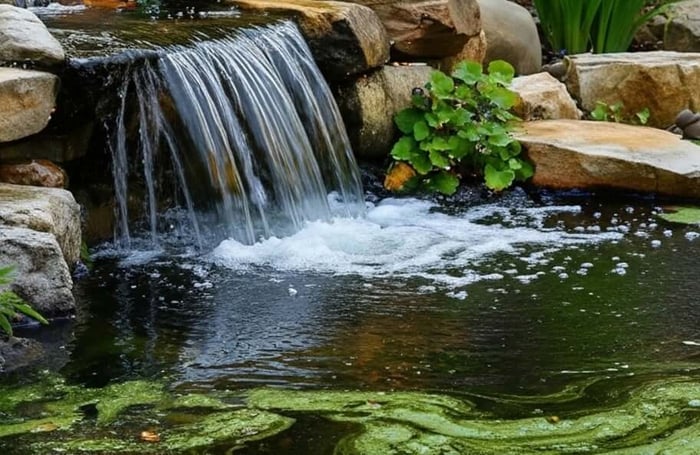
Your waterfall isn’t just decorative—it’s one of your pond’s primary sources of aeration. Over time, small leaks or buildups in the spillway reduce flow and oxygen.
Why It Matters
Consistent flow across the spillway surface keeps oxygen evenly distributed. When water channels unevenly or redirects away, it can cause erosion and water loss.
Routine Check-Up
- Clear debris from the spillway.
- Follow the piping line to check for leaks.
- Tighten fittings gently.
- Level and reposition stones if needed.
Temperature-Based Tips
- Above 70°F: Inspect weekly and remove algae buildup.
- 50–70°F: Flush piping and reseat fittings as needed.
- Below 50°F: Watch for ice formation or drain piping completely if shutting down.
Early Warning Sign: Water loss greater than an inch per day may indicate a leak.
Shop Waterfall Kits & Tubing →
4. Support Equipment with Healthy Water
Even perfectly maintained equipment can’t overcome poor water quality. Bottom sludge, leaves, and excessive algae force pumps and filters to work harder.
Keep Beneficial Bacteria Active
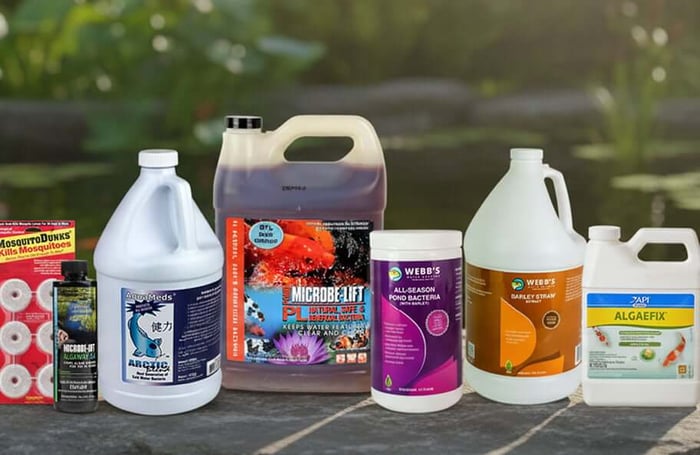
Beneficial bacteria help break down organics before they reach the pump or clog filter pads. Continue dosing while water stays above 50°F.
Maintain Steady Aeration
- Prevents stagnation and supports both bacteria and fish.
- In warm regions, surface agitation prevents stratification.
- In cooler climates, aeration keeps a small area ice-free.
Shop Beneficial Bacteria → | Shop Aeration Systems →
5. Troubleshooting at a Glance
| Symptom | Likely Cause | What to Do |
|---|---|---|
| Reduced flow | Clogged intake or kinked line | Clean and straighten tubing; check pump intake. |
| Gurgling or sputtering | Air entering line | Reseat fittings and refill pond. |
| Uneven waterfall | Blocked spillway or low water | Clear debris and realign stones. |
| Frequent algae | Low oxygen or nutrient overload | Add aeration and beneficial bacteria. |

6. Seasonal Storage Tips
If you shut down for winter (below 40°F):
- Clean and remove the pump.
- Store indoors or in a bucket of water.
- Drain piping and leave valves open.
- Use a pond de-icer or aeration to maintain an opening in the ice.
7. The Cost of Neglect
A clogged pump or skimmer doesn’t just hinder water circulation—it also endangers the pump. Pumps that fight blockages and starve for water have shorter lifespans. When circulation slows, organic matter accumulates, and the entire ecosystem becomes harder to stabilize.
Final Thoughts
No matter where you live, your fish pond depends on three things: movement, filtration, and oxygen. Checking your pump, skimmer, and waterfall regularly protects those systems from heat, debris, and freezing. A few quick inspections each month help your pond remain clear, balanced, and beautiful.
FAQ
How often should I clean my pump?
Check monthly in warmer climates and every 6–8 weeks in cooler ones. Clean intake screens and impellers whenever flow slows or noise increases.
Do I need to run my pump all year?
In warmer regions, yes. In colder climates, reduce flow or remove and store the pump indoors once ice forms.
Why does my skimmer lose flow?
Clogged pads, full debris nets, or low water levels are common causes.
How do I quiet a noisy waterfall?
Uneven water flow or trapped air often cause noise. Clean the spillway, remove debris, and check tubing connections.
When should I replace my tubing or fittings?
Inspect tubing every season. Replace if brittle, cracked, or kinked.