 Gift Certificates
 New Arrivals

Webb’s Water Gardens — Pond Treatment Guide
A healthy pond doesn’t happen by chance—it’s the result of consistent care and the right balance of treatments. Whether you’re fighting algae blooms, clearing cloudy water, or preparing for winter, understanding when and how to use each treatment makes all the difference. Below we break down the most common pond treatments offered by Webb’s Water Gardens, what each one does, when to use it, and key tips for success.

1. Algae Control
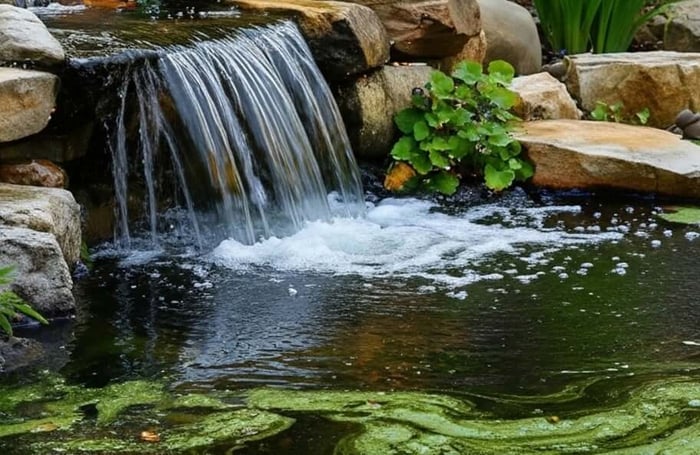
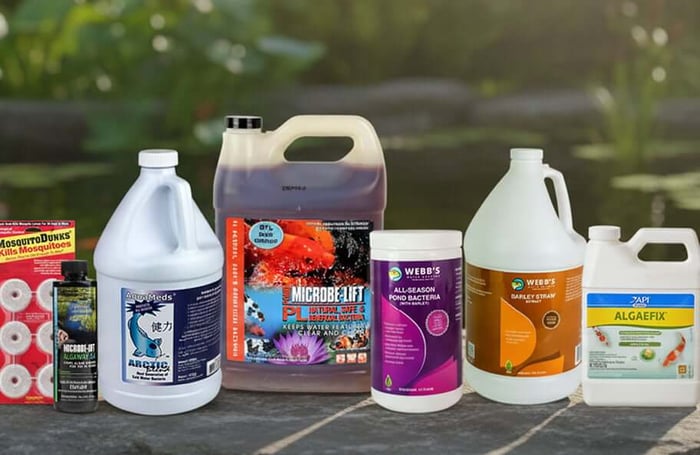
Algaecides are sometimes necessary once pond temperatures reach 55°F or higher. Warm water, long daylight hours, and nutrient buildup create ideal conditions for string algae and green water. Applying an algaecide like Microbe-Lift Algaeway 5.4 or API Pond AlgaeFix restores balance by targeting existing blooms. Always remove visible algae before treating and keep aeration running to protect fish and maintain oxygen levels.
Key Tips
- Treat early in the day when oxygen levels are highest.
- Pair with Beneficial Bacteria for lasting clarity.
- Avoid overdosing — follow product instructions explicitly.

2. Beneficial Bacteria
Beneficial bacteria are the foundation of a balanced pond ecosystem. These microscopic helpers break down fish waste, decaying organics, and other nutrient sources that fuel algae growth. When water temperatures stay above 50°F, dose weekly or biweekly with products like Microbe-Lift PL or Webb’s All-Season Bacteria. Regular use maintains clear water, reduces sludge buildup, and supports fish health by improving biological filtration.
Key Tips
- Use regularly in water temps above 50°F.
- Add directly to pond or skimmer for best circulation.
- Combine with Sludge Reducers for faster organic breakdown.
- Unplug your UV light for 48 hours
3. Sludge & Muck Reducers
Over time, leaves, fish waste, and uneaten food accumulate on the pond bottom, forming sludge and muck. Sludge reducers like Microbe-Lift Sludge Away and Atlantic ReClaim Tablets break down this debris using concentrated bacteria and enzymes. They’re most effective in warmer water (60–90°F) and help prevent foul odors, murky water, and oxygen depletion.
Key Tips
- Use during 60–90°F temperatures for peak bacterial activity.
- Apply around pond edges or directly over problem areas.
- Enhance results with Aeration and Beneficial Bacteria.

4. Water Clarifiers & Defoamers
Cloudy or foamy pond water can be caused by fine particles, excess organics, or overfeeding. Clarifiers bind these suspended solids so they can be filtered out, while defoamers eliminate surface foam. Effective between 60–85°F, options like Webb’s Concentrated Defoamer and Microbe-Lift Flocculant Plus work quickly—often within hours— to restore sparkle and improve visibility.
Key Tips
- Always shake the bottle vigorously before applying.
- Don’t overdose; excessive clarifier can cause cloudiness.
- Allow filtration to run continuously for best results.

5. Cold Water Bacteria
Cold water bacteria keep your pond active during cooler months when most biological activity slows. These specific strains, found in products like Microbe-Lift Autumn/Winter Prep and Webb’s All-Season Bacteria, function at temperatures below 50°F, reducing nutrient buildup that would otherwise fuel spring algae blooms.
Key Tips
- Begin dosing as temps fall below 50°F.
- Continue treatments through late fall and early spring.
- Prevents winter sludge buildup and spring algae issues.
6. Barley Products
Barley straw treatments are time-tested, natural water clarifiers. As barley decomposes, it releases compounds that suppress algae growth without harming fish or plants. Year-round treatments like Microbe-Lift Barley Straw Pellets or Webb’s Barley Straw Extract keep ponds clear naturally and complement biological filtration.
Key Tips
- No temperature restrictions — safe to use year-round.
- Use extract for quick results; bales for long-term coverage.
- Combine with Beneficial Bacteria.
7. Water Conditioners & Dechlorinators
Tap water contains chlorine, chloramines, and heavy metals that can harm fish and beneficial bacteria. Before refilling or topping off your pond, always treat with a conditioner like API Pond Stress Coat or Microbe-Lift Aqua Xtreme. These products instantly neutralize harmful elements and protect fish gills while reducing stress.
Key Tips
- Treat every time you add or replace pond water.
- Safe to use at all temperatures.
- Always dose right before adding tap water.

8. Pond Salt
Pond salt promotes fish health by improving gill function, boosting slime coat, and reducing stress. Use it year-round at 0.1% concentration in ponds with plants and 0.3% concentration with no plants. We recommend products like Microbe-Lift Pond Salt or Webb’s Pond Salt. It’s especially beneficial during spawning, disease recovery, or when introducing new fish.
Key Tips
- Use at 0.1–0.3%, depending on the presence of plants.
- Dissolve before adding; avoid sprinkling directly on plants.
- Combine with Dechlorinators during water changes.
9. Lake Treatments
For large ponds or lakes, specialized bacterial treatments like Kasco Macro-Zyme or EasyPro Pond-Vive manage heavy organic loads and algae at scale. They break down bottom sludge and reduce nutrient buildup that cause persistent algae blooms.
Key Tips
- Use in water temps above 50°F for best results.
- Distribute evenly across the surface or use a boat.
- Pair with Aeration for improved efficiency.
10. Dyes & Tints
Pond dyes such as Microbe-Lift Bio-Blue and EasyPro Dye Packets shade the water to block sunlight, limiting algae growth while enhancing pond appearance. They’re safe for fish and plants and provide a polished, professional finish to your water feature.
Key Tips
- Reapply every 4–6 weeks or after heavy rainfalls.
- Apply small doses until desired color is achieved.
- Select color based on visual preference and depth.

11. Mosquito Control
Products like Summit Mosquito Dunks and Microbe-Lift Liquid Mosquito Control release a bacteria (Bti) that targets mosquito larvae, killing developing mosquitoes before they become breeding, biting adults.
Key Tips
- Safe for fish, birds, pets and wildlife.
- Replace dunks monthly for continuous protection.
- Combine with Aeration to reduce stagnant zones.
Maintaining Balance Year-Round
Every pond is unique, but consistency is the key to long-term health. By using the right treatments at the right times—and pairing them strategically—you’ll enjoy clear water, healthy fish, and a balanced ecosystem across all seasons. Explore Webb’s full collection of pond water treatments to find the perfect combination for your setup.
FAQ
What pond treatments should I use first?
Start with beneficial bacteria to build your pond’s natural balance. Once those bacteria are active, follow up with sludge reducers to break down bottom waste and debris. Then, if necessary, apply algae control to handle visible growth, and finish with a clarifier to polish the water. Using treatments in this order ensures they work together efficiently instead of competing.
Can I mix different pond treatments together?
Some treatments can be used together, but not all at the same time. Beneficial bacteria and sludge reducers complement each other well, as do algae control and clarifiers when spaced a few days apart. Avoid combining multiple chemical-based treatments in one day, as this can reduce effectiveness and stress fish. Always check the label for compatibility and timing guidance.
How often should I use beneficial bacteria?
Most beneficial bacteria should be applied weekly or biweekly when water temperatures are above 50°F. For heavily stocked ponds or those prone to algae, more frequent dosing may be beneficial. Consistency is key — skipping doses can allow excess nutrients to build.
Are algae control products safe for fish and plants?
Yes — when used correctly and according to label directions, most algaecides are fish- and plant-safe. The key is to maintain adequate aeration during and after treatment, since dying algae can temporarily reduce oxygen levels. Avoid treating during the hottest part of the day and never exceed the recommended dose.
Do I need different treatments in winter?
Yes. Once water temperatures drop below 50°F, switch to cold water or all-season bacteria and barley products. These help keep your pond biologically active through winter and prevent nutrient buildup that would otherwise feed algae in spring. Avoid algaecides or high-activity bacterial treatments when fish are dormant and biological processes slow down.
What’s the best way to keep my pond clear naturally?
The most effective long-term approach is balanced prevention — not reaction. Combine aeration, bacteria, and barley treatments for year-round water clarity. Skim debris regularly, maintain steady filtration, and limit overfeeding. A well-balanced pond needs fewer chemicals and stays clearer with biological treatments.
© Webb’s Water Gardens — Pond care guidance. Always read and follow product labels and local regulations.