 Gift Certificates
 New Arrivals
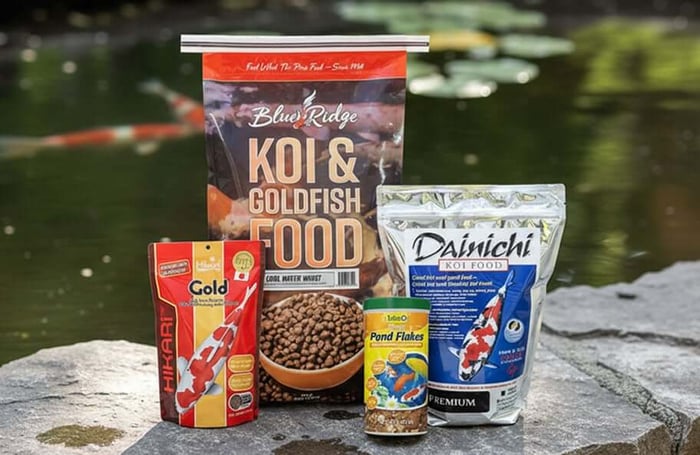
Feeding pond fish should not feel like guessing. But it often does. People search things like “how often should I feed my koi,” “what is wheat germ fish food,” and “why is my pond water cloudy after feeding.” The good news is you can answer most of those questions with one simple idea:
Feed based on what your fish can digest right now.
That depends on two things: your water temperature and how active your fish are.
This article is Part 3 of the New Year Pond Reset series. If you need more help with the other parts, start here:
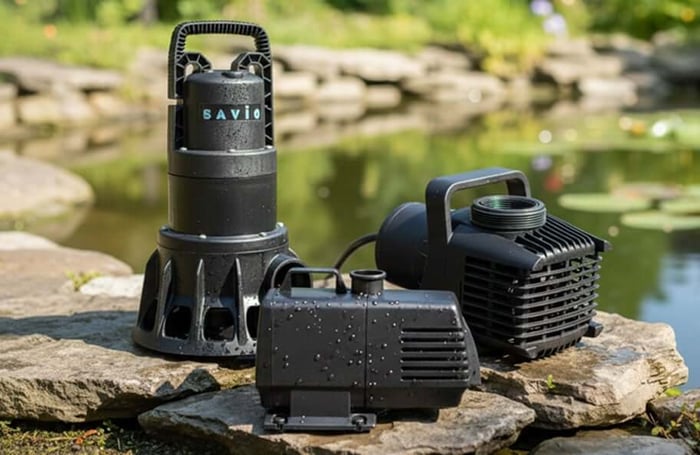
- Part 1: Get your flow back (pump + filter reset)
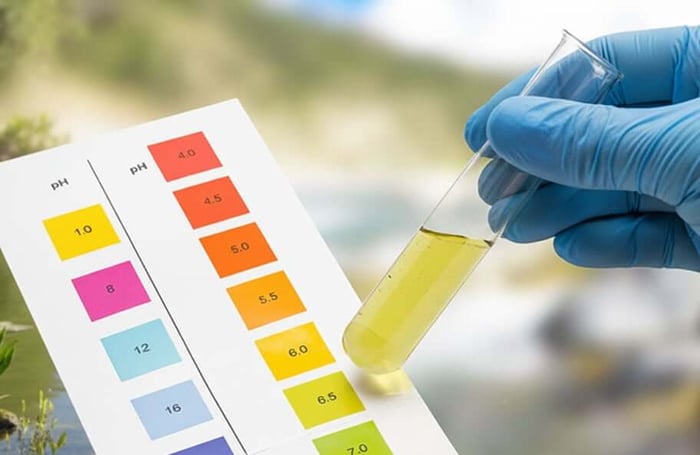
- Part 2: Test your water (know your numbers)
- Part 3: Pond fish food (you are here)
In this guide you’ll learn:
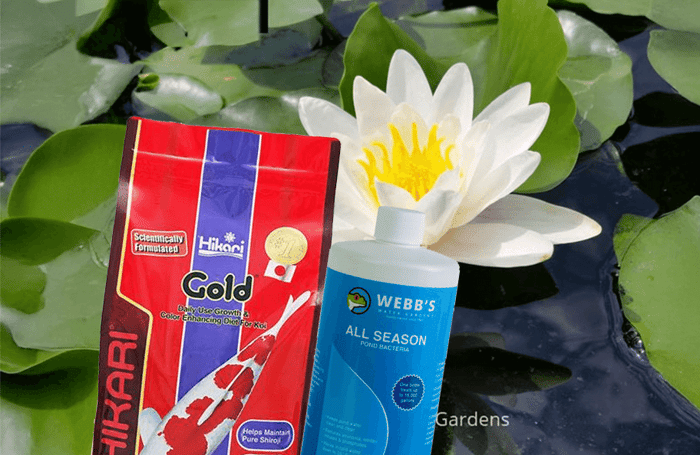
- The difference between wheat germ food and a staple food
- How to choose pond fish food for active ponds vs low-activity ponds
- How much to feed (without overfeeding)
- When not to feed
- What “cloudy water after feeding” looks like and what causes it
Important note: This article is general education. Every pond is built differently, so feeding patterns can vary.
Why feeding matters more than most people think
Food can be one of the fastest ways to change a pond. When fish do not eat everything, extra food breaks down in the water and can cause:
- Cloudy water (milky or gray haze lasting more than a day)
- Extra algae growth
- Bad smells (rotten or sewer-like odors)
- Higher ammonia or nitrite levels
That’s why feeding should follow the same “reset” mindset:
- Make sure water is moving (flow)
- Make sure you know your numbers (testing)
- Feed in a way your pond can handle
Start here: two questions that make feeding easy
Question 1: Are your fish active?
- Active pond: Fish are swimming and looking for food
- Low-activity pond: Fish are slow or staying deep
Question 2: What is your water temperature?
If you only remember one rule, remember this: When water is cooler and fish are less active, feed less and choose easier-to-digest food.
Wheat germ fish food: what it is and when to use it

Wheat germ pond fish food is designed to be easier to digest when fish are less active.
Best used when:
- Water temperatures are between 40–60°F
- Fish are eating slowly
- You want cleaner water during cooler periods
How to feed wheat germ
- Feed small amounts
- Feed less often
- Stop if fish lose interest
Staple pond fish food: what it is and when to use it

Staple food is a higher-protein everyday food for active fish.
Best used when:
- Water temperatures are above 60°F
- Fish are actively feeding
- Flow and filtration are strong
Feeding tip: Feed what fish can finish in about 5 minutes.
How often should I feed my pond fish?
- Active ponds: 1–2 times per day
- Low-activity ponds: Feed less or pause feeding
Cloudy water after feeding: what it means?
Temporary cloudiness
Dusty or brown water that settles within hours.
True cloudy water
Milky or gray haze that lasts more than a day.
What to do if problems appear?
If water turns cloudy:
- Feed less
- Clean mechanical filters
- Check pump flow
- Test water
If fish are not eating:
- Stop feeding temporarily
- Check temperature and water quality
- Observe fish behavior
How to store pond fish food?
- Keep in a cool, dry place
- Use airtight containers
- Avoid heat and humidity
Tie it all together: your 3-part reset
If you want help choosing the right pond fish food, reach out with a photo and a few details.