 Gift Certificates
 New Arrivals
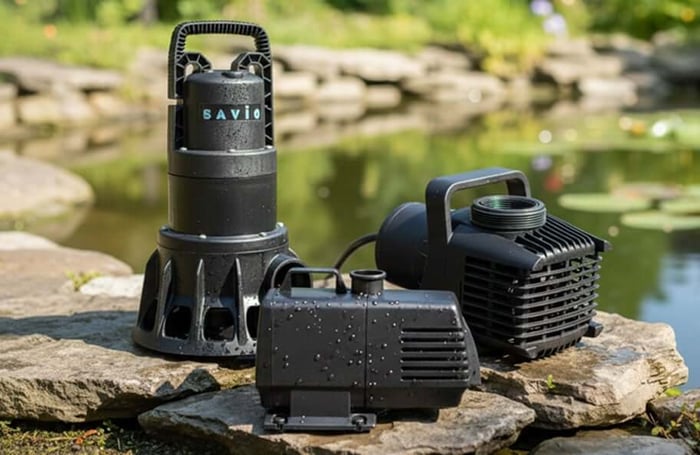
Pond Water Testing: Part 2 of Your New Year Pond Reset
A new year is a great time to reset your pond—without turning it into a big project. Last week, we talked about getting your flow back with a pump and filter check. This week is Part 2: pond water testing.
Here’s the big idea: when the water looks “off,” many problems look the same. Cloudy water, green water, and stressed fish can all happen for different reasons. A quick test helps you stop guessing and fix the real issue faster.
Why testing matters (and saves you money)
Shop Test Kits
Testing is like checking your car’s dashboard. You don’t wait for smoke—you look at the warning lights early. When you test, you can fix small issues before they become expensive ones.
It also protects your fish. With pond water testing, you’ll know when to do a small water change, when to pause feeding, and when to ask for help.
This works in every climate. If your pond runs year-round, you’ll catch problems early. If your pond slows down seasonally, you’ll avoid surprise swings when conditions change.
The 5 Numbers to Know (Plain English)
Most ponds only need a few key readings. Start with these five. Once you understand them, water testing becomes simple and predictable.
1) Ammonia (NH3/NH4+)
Ammonia is one of the most important numbers because it can harm fish quickly. It comes from waste like fish poop, rotting leaves, and uneaten food. Low flow or weak filtration can make it worse.
Common signs include flashing fish, clamped fins, or a stale smell. Don’t guess—test.
2) Nitrite (NO2-)
Nitrite is also harmful to fish. It often appears after ammonia, as beneficial bacteria convert ammonia into nitrite before turning it into nitrate. If nitrite is present, your pond may be mid-cycle.
3) Nitrate (NO3-)
Nitrate is less dangerous than ammonia and nitrite, but high levels can stress fish over time. It usually rises with heavy feeding, more fish, and infrequent water changes.
Nitrate is often a “habits” number—better routine maintenance usually improves it.
4) pH
pH measures how acidic or basic the water is. Stability matters more than chasing a perfect number. A steady pH is usually healthier for fish.
5) KH (Alkalinity)
KH helps keep pH stable and supports the nitrification cycle. Think of it as a buffer that protects your pond from sudden pH swings.
Low KH can cause pH crashes and stalled filtration. Many pond owners ignore KH until problems show up—learning it early is a big win.
How to Do Pond Water Testing in About 10 Minutes

The goal isn’t perfect testing—it’s consistent testing. Doing it the same way each time makes your results easier to understand.
Step 1: Pick a Consistent Time
Test around the same time each week. Some values, like pH, can shift during the day—especially in sunny ponds.
Step 2: Take Water From a Good Spot
Collect water from the main pond area. Avoid the waterfall return, skimmer opening, or aerator bubbles.
Step 3: Follow Kit Directions Exactly
Shake bottles if instructed. Count drops carefully. Use the correct tube size and timing. Rushing steps leads to confusing results.
Step 4: Read Colors in Good Light
Natural daylight works best. If indoors, use consistent lighting. Hold charts at eye level for accuracy.
Step 5: Write Results Down
Record the date, numbers, and observations like cloudy water, new fish, heavy feeding, or rain. This is what makes testing useful long-term.
Common Testing Mistakes (and Easy Fixes)
- Testing right after stirring debris: wait 30–60 minutes.
- Over-cleaning filters before testing: clean gently, re-test later.
- Not rinsing test tubes: rinse with pond water first.
- Reading colors in poor light: use daylight if possible.
- Only testing when there’s a problem: weekly testing prevents surprises.
Don’t focus on one number one time—look for trends. Steady numbers over time are a win.
If Your Results Are Off: What to Do Next
If Ammonia Is High
- Pause feeding for 24–48 hours.
- Check flow and filtration.
- Do a partial water change.
- Add beneficial bacteria.
- Re-test over the next few days.
If Nitrite Is High
- Reduce feeding.
- Increase circulation and aeration.
- Do partial water changes.
- Avoid scrubbing bio media.
- Test every 1–2 days until it drops.
If Nitrate Is High
- Do small, regular water changes.
- Remove leaves and sludge.
- Avoid overfeeding.
- Add plants if appropriate.
If pH Is Swinging
- Test KH.
- Avoid large, fast water changes.
- Make changes slowly and re-test.
If KH Is Low
- Low KH can cause unstable pH.
- The right solution depends on your water source and pond setup. If unsure, ask for help before making big changes.
Water Changes Without Stressing Your Pond
- Small changes are safer than large ones.
- Always use water conditioner for tap water.
- Avoid large temperature differences.
- Re-test after water changes.
Treatments and UV: When They Help
- Restore flow first.
- Remove debris.
- Support filtration.
- Use UV for green water when properly sized.
- Use treatments only when you know the target.
A Simple Weekly Routine
3-Minute Visual Check
- Is flow steady?
- Is the skimmer clear?
- Are fish acting normal?
- Is water clarity changing?
10-Minute Test
- Ammonia
- Nitrite
- Nitrate
- pH
- KH
One Small Maintenance Step
- Empty skimmer basket
- Rinse a pre-filter pad
- Remove debris
- Check filter media
Shop by Need
- Shop Test Kits
- Shop Water Conditioners
- Shop Beneficial Bacteria
- Shop Treatments / Water Clarity
- Shop UV Clarifiers
Final Thoughts
You don’t need to do everything at once. Keep flow steady and test weekly, and your pond becomes easier all year. If you want help reading results, reach out with your numbers—pond water testing is easier with a second set of eyes.