 Gift Certificates
 New Arrivals
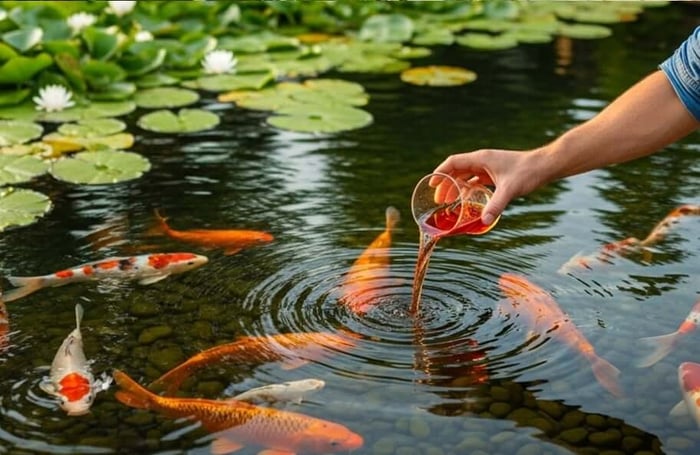
When it comes to maintaining a healthy, balanced pond, many pond owners are quick to reach for fast-acting chemical treatments. While these can offer immediate results in certain situations, true long-term health and water clarity often come from a slower, more natural approach - beneficial bacteria and sludge removers.
The Role of Beneficial Bacteria
Beneficial bacteria are microscopic workhorses that help break down organic debris like fish waste, decaying plant matter, and uneaten food - what we often refer to as “pond sludge.” Over time, if left unchecked, this sludge can build up on the bottom of your pond, fuel algae blooms, and create poor water quality.
Adding beneficial bacteria is like giving your pond a natural clean-up crew. But here's the catch: it takes time.
This Isn't a Chemical Reaction - It's a Biological Process
Unlike chemical treatments that act instantly but dissipate quickly, live bacterial cultures need time to populate and thrive. Think of it less like flipping a switch and more like planting grass seed. You wouldn’t expect to mow a lush lawn the day after seeding, right? The same logic applies here.
Once introduced into your pond, these bacteria begin to multiply, seeking out organic waste as a food source. This multiplication takes time, especially when you're dealing with high organic loads or unstable water conditions.
Oxygen: The Unsung Hero
Aeration is a key component when using beneficial bacteria. In warm weather, oxygen levels can drop quickly, so a properly aerated pond is essential. If your pond is under-aerated, the bacteria will struggle, and so will your fish.
It’s also worth noting that if your pond has a large amount of organic debris, oxygen consumption will rise - not just from the bacteria, but also from the natural breakdown process itself. More oxygen helps beneficial bacteria work faster and more efficiently.
What You Can Expect
When using products like beneficial bacteria and sludge removers, give them at least a few weeks to start showing results. Consistency is key - stick to the dosing schedule recommended on the label, and don’t get discouraged if the water doesn’t turn crystal clear overnight. Completely okay to double dose or even use more frequently during times of turbidity, you cannot overdose.
- Ensure proper aeration, especially in summer
- Minimize additional organic input (don’t overfeed fish, remove dead leaves and debris)
- Stick to regular dosing, as recommended
- Avoid mixing bacterial treatments with strong chemical treatments, which can harm or kill off the bacteria
A Natural Solution Worth Waiting For
Using beneficial bacteria is a natural, sustainable approach to pond maintenance. Yes, it requires a bit more patience than chemical quick-fixes - but the payoff is a healthier, more balanced ecosystem that supports your fish, your plants, and your long-term enjoyment of your pond.
So, if you’re starting a bacterial treatment, take a deep breath, monitor your water quality, and give nature a little time to do its job. Your pond will thank you.