 Gift Certificates
 New Arrivals
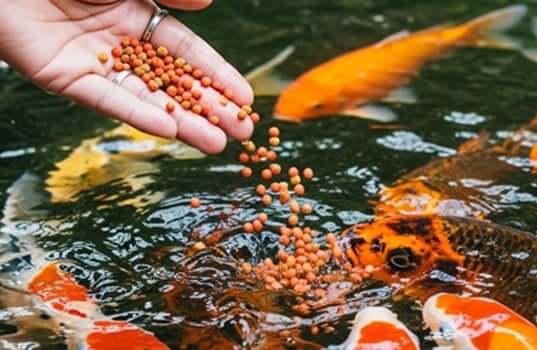
Caring for koi and goldfish is a rewarding experience, but ensuring they receive proper nutrition can often feel overwhelming. With the right knowledge, choosing the best food for your pond fish becomes simple. This guide will walk you the basics of koi and goldfish nutrition, from understanding their dietary needs season to season, to selecting the right type of fish food to keep them happy and healthy. Whether you're a beginner or an experienced pond keeper, this guide will help you optimize your fish's health and enhance your pond's ecosystem.

Understanding Nutritional Needs for Koi and Goldfish
Koi and goldfish have unique dietary requirements to support growth, energy, and vibrant colors. A balanced diet for these species includes:
- Protein: Essential for growth and overall health, especially during warmer months. High-quality sources like fish meal or shrimp meal provide necessary amino acids.
- Vitamins and Minerals: Maintain health and boost immunity. Key vitamins include A, C, D, E, and B-complex, while minerals support overall well-being.
- Fats: A small amount for energy storage, crucial for fish health.
- Fiber: Promotes digestion and ensures proper nutrient absorption.
Seasonal changes affect fish metabolism. In summer, their metabolism speeds up, requiring more protein-rich food. In the fall and winter, it slows, necessitating wheat germ based foods, reduced or no feeding. Understanding these needs helps maintain a thriving pond ecosystem.
Types of Koi and Goldfish Food
Several types of food are available, each with specific benefits and uses. Choosing the right type ensures your fish get the nutrition they need:
- Pellets: Nutrient-dense, available in various sizes for different fish stages. Formulated for growth, color enhancement, or seasonal needs.
- Sticks: Similar to pellets but in stick form.
- Flakes: Suitable for smaller goldfish, often used in aquariums.

Specialized Foods for Specific Needs
- High-Growth Food: ~40% protein, ideal for warm months.
- Color-Enhancing Food: Ingredients like spirulina, krill, or astaxanthin.
- Wheat Germ Food: Easily digestible, perfect for cooler temperatures.
- Probiotic Food: Strengthens immune systems.
Floating vs. Sinking Food: Which is Best?
Floating Food:
- Benefits: Easier to monitor fish health and appetite. Reduces waste.
- Limitations: May not suit shy or bottom-feeding fish.
Sinking Food:
- Benefits: Ideal for bottom-dwelling or shy fish. Less competition for food.
- Limitations: Harder to monitor consumption, risk of overfeeding.
Color-Enhancing Koi Foods: Do They Work?
Yes! Fortified with ingredients like spirulina, krill, or astaxanthin, they accentuate red, orange, and yellow hues. Typically used as a supplement, not a staple diet.
Feeding Guide: How Much and How Often?
- Five-Minute Rule: Only feed what fish consume within five minutes.
- Adjust for Temperature: More food for water temps between 65°F and 75°F; less as it gets cooler.
- Pellet Size: Match pellet size to fish size.

Seasonal Feeding Tips by Water Temperature
- Spring (45-60°F): Start with wheat germ foods.
- Summer (60-80°F): High-protein foods.
- Peak Summer (80°F+): Wheat germ or reduce feeding.
- Fall (60-45°F): Transition back to wheat germ.
- Winter (Below 45°F): Stop feeding entirely.
Recommended Koi and Goldfish Foods
| Food Name | Type | Key Ingredients | Best Use |
|---|---|---|---|
| Saki-Hikari Growth | Floating Pellets | Fish meal, wheat germ meal, probiotics | 68°F+ Daily diet for rapid growth |
| Microbe Lift Variety Mix | Floating Pellets | Fruits, greens, wheat germ, vitamins | 60°F+ Daily diet for balanced nutrition |
| Kenzen Primary Diet | Large Floating Pellets | Herring meal, potato starch | 60°F+ Daily diet for growth (49% protein!) |
| Tetra Koi Vibrance | Floating Sticks | Fish meal, wheat germ meal | 60°F+ Daily diet for color enhancement |
| Hikari Wheat-Germ | Floating Pellets | Wheat germ meal, vitamins E & C | All season diet, useful in cool water temperatures |
Storage Tip: Store fish food in a cool, dry place to maintain freshness. Plastic pet food containers work great.
Common Mistakes to Avoid
- Overfeeding: Stick to the five-minute rule to prevent water pollution.
- Feeding in Cold Water: Avoid feeding below 50°F to prevent illness.
- Ignoring Pellet Size: Match pellet size to fish size to avoid choking.
- Not Adjusting for Seasonal Needs: Adapt diet seasonally for best health.
Providing Optimal Nutrition for Healthy Fish
Supplying your koi and goldfish with proper nutrition is essential to enhance their growth, boost their colors, and maintain a thriving pond ecosystem. By understanding their nutritional needs, choosing the right type of food, and following seasonal feeding guidelines, you can ensure your fish stay vibrant and healthy all year long.